
Edit your own Writing with these Books
Your manuscript needs to be as polished as possible before you send it to agents, editors, awards contests, etc. While I always recommend hiring an editor to go through your manuscript and catch the things you can’t see in your own writing, there is a lot you can do on your own first.
The books on this list can guide writers of fiction, memoir, and narrative nonfiction through the self-editing process.
Note: This post contains affiliate links. As an Amazon affiliate, I earn a small commission on purchases made through these links at no extra cost to you. 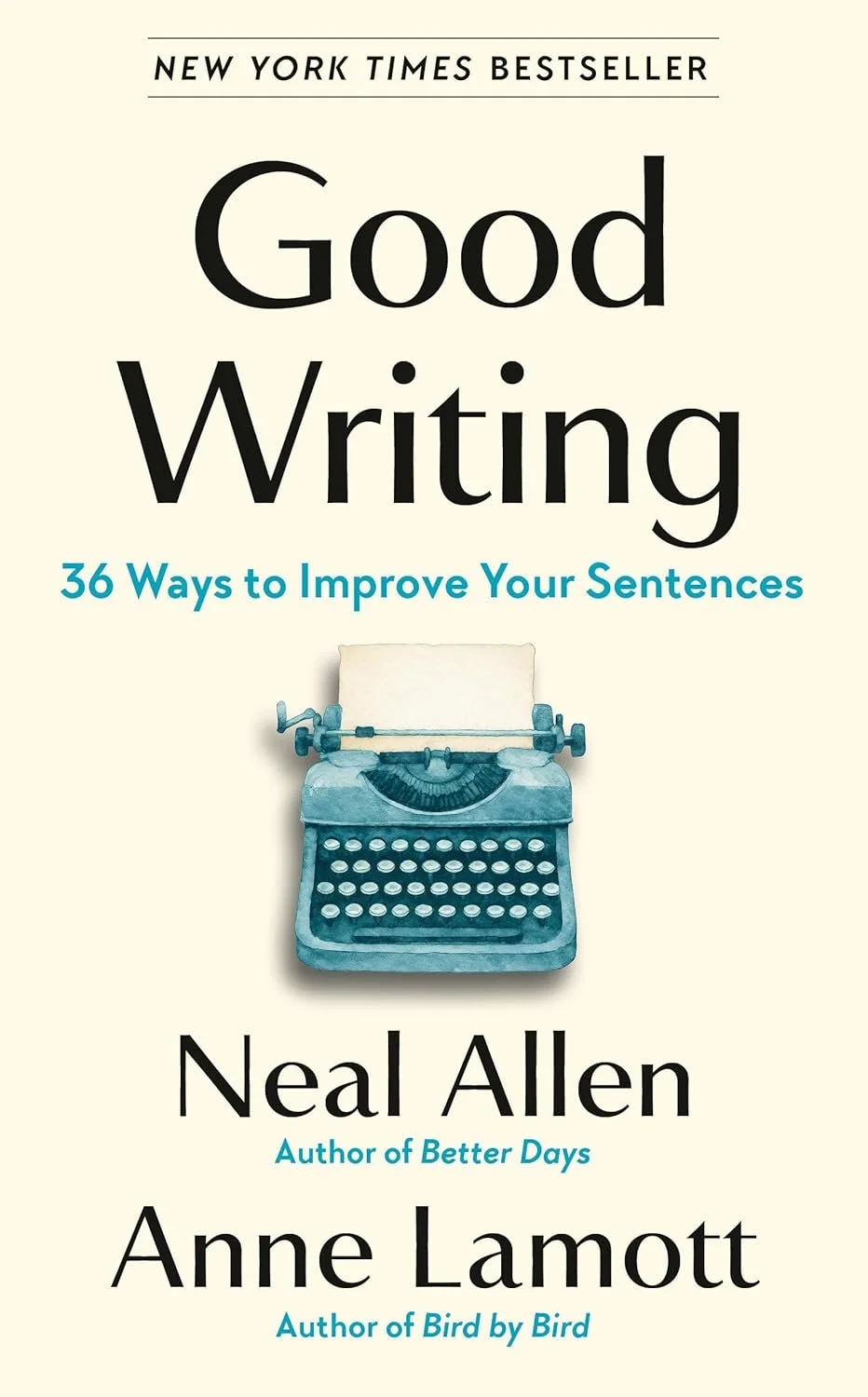
Good Writing: 36 Ways to Improve your Sentences by Neal Allen and Anne Lamott
Hot off the press! This new editing book (2026) by husband and wife veterans of the book industry focuses on line editing. The authors, through their varying perspectives, guide writers through the process of looking closely at every sentence and every word of their manuscript. Readers will see how, with careful analysis and intentional decisions, their own words can have a bigger impact on their audience. I’ve always been a fan of Anne Lamott’s humorous tone. (I listed her book Bird by Bird as one of My Favorite Writerly Things.) That tone comes through here, as well, in her commentary of Allen’s “rules.” I found myself laughing out loud at several moments while reading, but I also found myself nodding along to the sage advice.
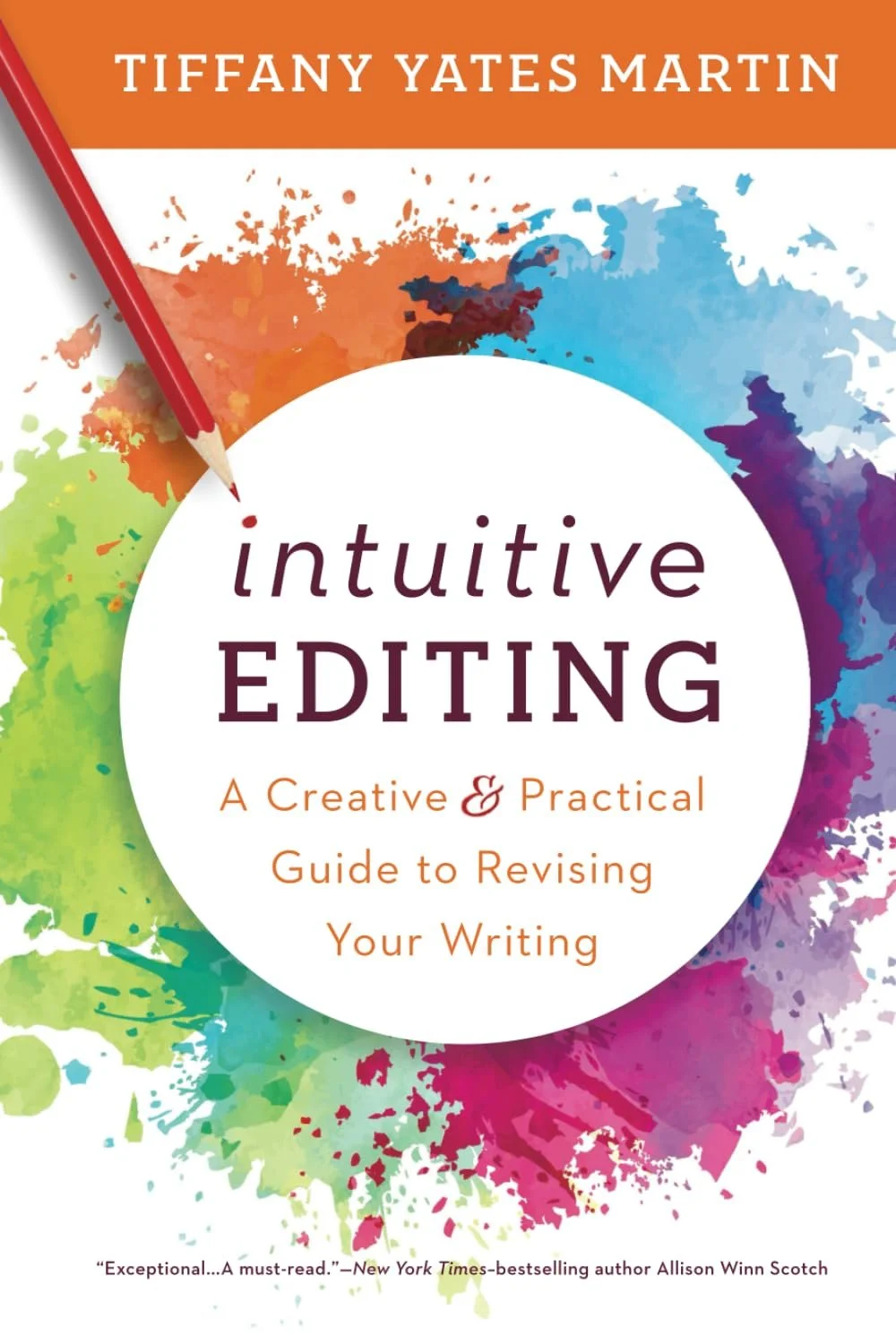
Intuitive Editing: A Creative and Practical Guide to Revising your Writing by Tiffany Yates Martin
Tiffany Yates Martin is a long time editor with many years of experience working in-house at “Big 5” publishers. She brings her expertise to us in this easy to digest, but thorough editing manual. She breaks her book into four main parts: macroedits (character, stakes, plot, etc.); microedits (pacing, showing vs. telling, POV, etc.); line edits; and getting feedback. This book is helpful at every stage of your self-editing journey.
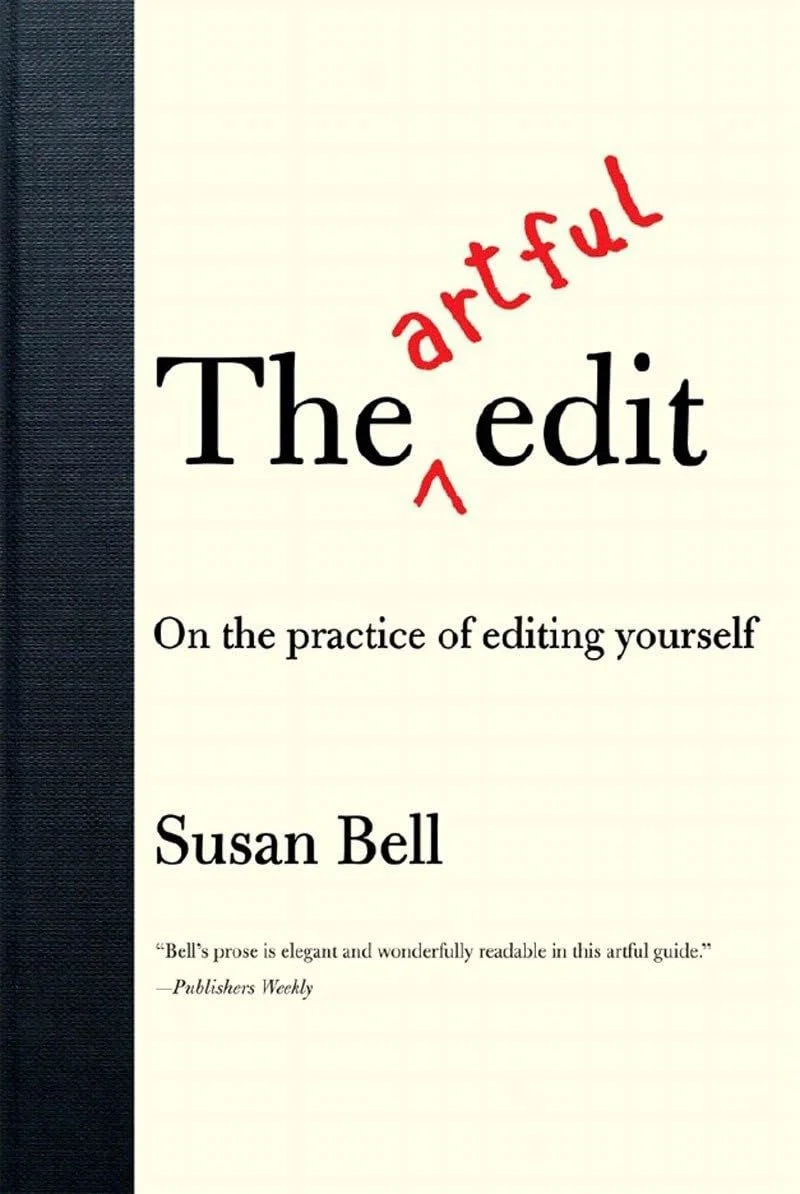
The Artful Edit: On the Practice of Editing Yourself by Susan Bell
An oldie, but a goodie. Veteran editor, Susan Bell, breaks her book into macroedits and micro edits and more. She even does a bit of a deep dive into what editors do and the history of their role in ushering books into the world. Bell includes examples and interviews from successful authors such as Ann Patchett to help us learn about the various approaches to revision. Bell also includes tips and exercises to guide writers in the art of self-editing.
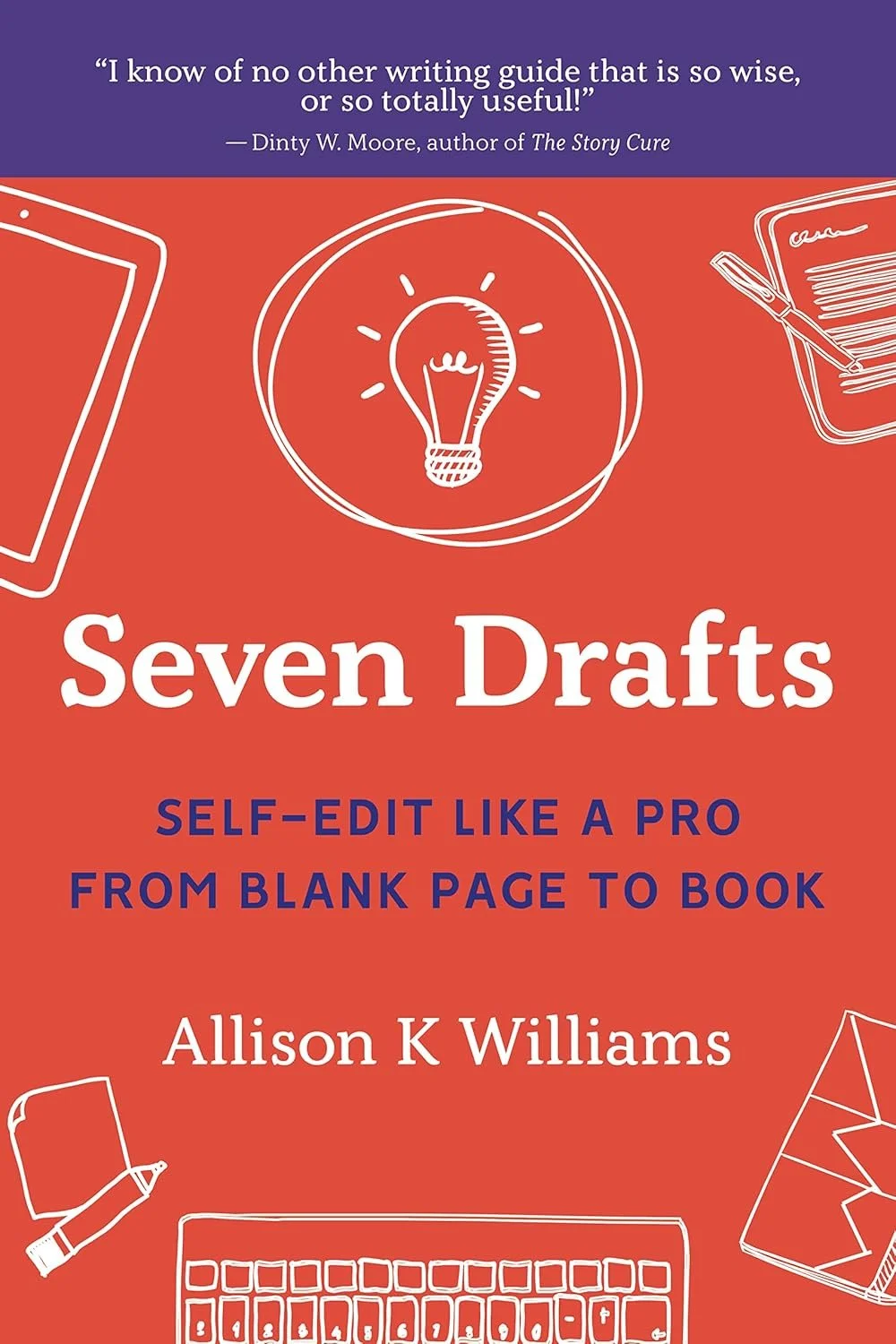
Seven Drafts: Self-edit like a Pro from Blank Page to Book by Allison K. Williams
Longtime editor Allison K. Williams uses her expertise to teach writers just how many versions of their manuscript they need to write. She suggests seven drafts, at a minimum, and what the purpose of each draft is. If you’re new to the revision process, this book is a must. But it’s equally handy for experienced authors. I wrote extensively about Williams’s book in this article.
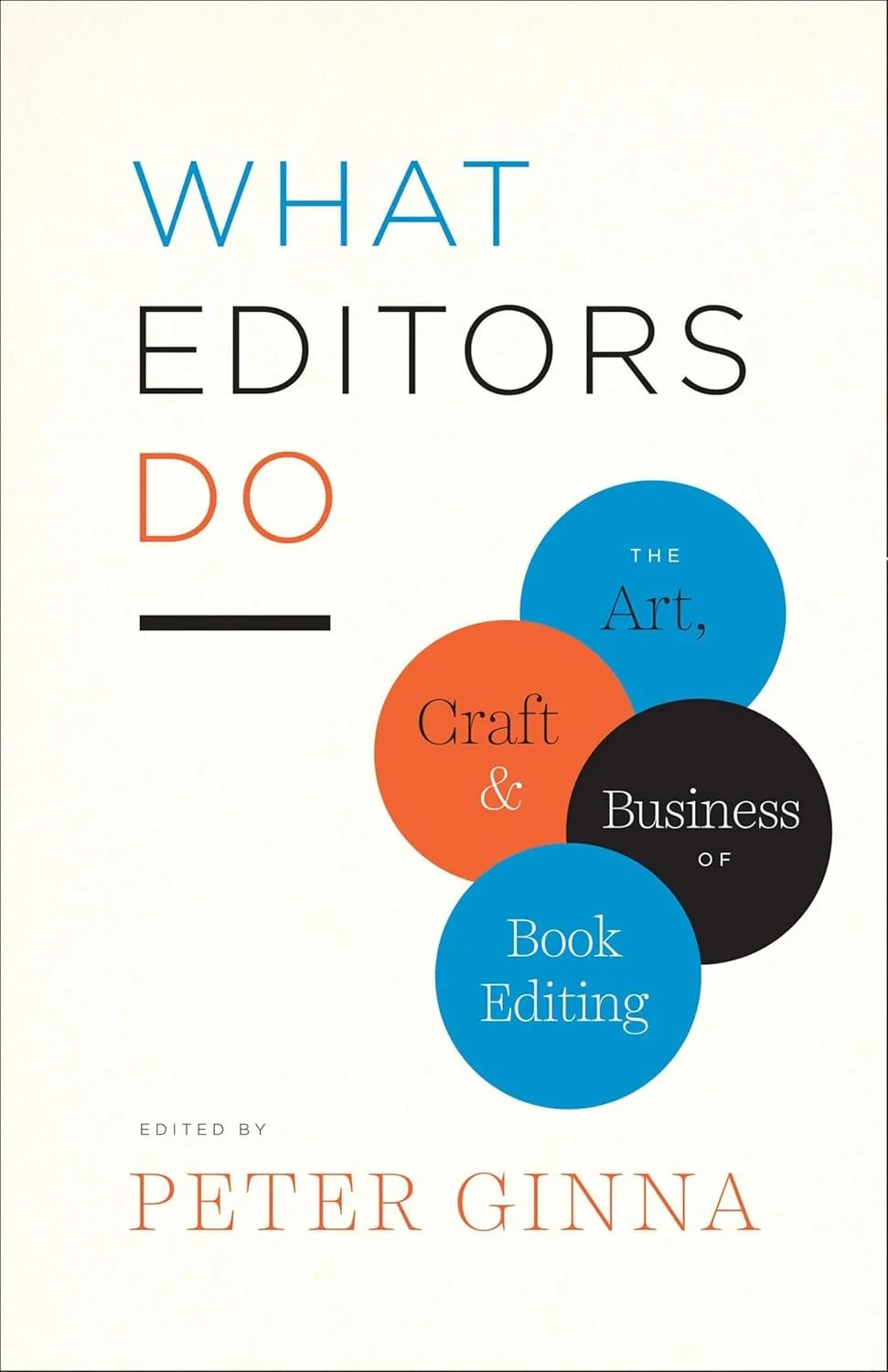
What Editors Do: The Art, Craft, and Business of Book Editing by Peter Ginna
This collection of essays written by editors does not necessarily teach you how to edit your own work, but I think it’s valuable for writers pursuing traditional publication. The essays give readers a peek into the publishing process, looking at the different roles editors must play to get a book into the world, including how they acquire a book. Writers will come away with a better understanding of the publishing process as well as what makes for a positive author-editor relationship.
If you’re ready to edit your book at the sentence level, check out the Foundational Line Editing course for fiction writers and learn the tips for polishing your prose and creating an immersive experience for your readers.
Or maybe you want another pair of eyes on your pages? Browse my Services page to see all the ways I can help you get your book ready for publication.